Thinking about buying in The Gulch but torn between a condo and a townhome? You are not alone. In a neighborhood known for walkability, dining, and energy, both options can make sense. By the end of this guide, you will understand what you actually own, how dues and rules work, the lifestyle tradeoffs, and the key steps to take before you buy or sell. Let’s dive in.
The Gulch at a glance
The Gulch is a high-density, mixed-use pocket just southwest of downtown Nashville. You have restaurants, retail, entertainment, and residential buildings within a few blocks. It is very walkable, and that convenience draws many buyers who value an urban lifestyle.
With the benefits come tradeoffs. Foot traffic and late-night noise can be higher than in quieter suburbs. Parking is tighter in certain blocks, with many buildings using structured garages or street permit systems. Ongoing development also means views, traffic patterns, and sunlight can change over time.
What you actually own
Ownership is the first big difference between condos and townhomes. Understanding it helps you anticipate costs and responsibilities.
Condos in The Gulch
In most condo buildings, you own the interior of your unit (often described as from the drywall inward) plus an undivided interest in the shared elements like the structure, roof, exterior, land, and amenities. A condo association manages those common areas and collects monthly assessments to fund operations and reserves.
Townhomes in The Gulch
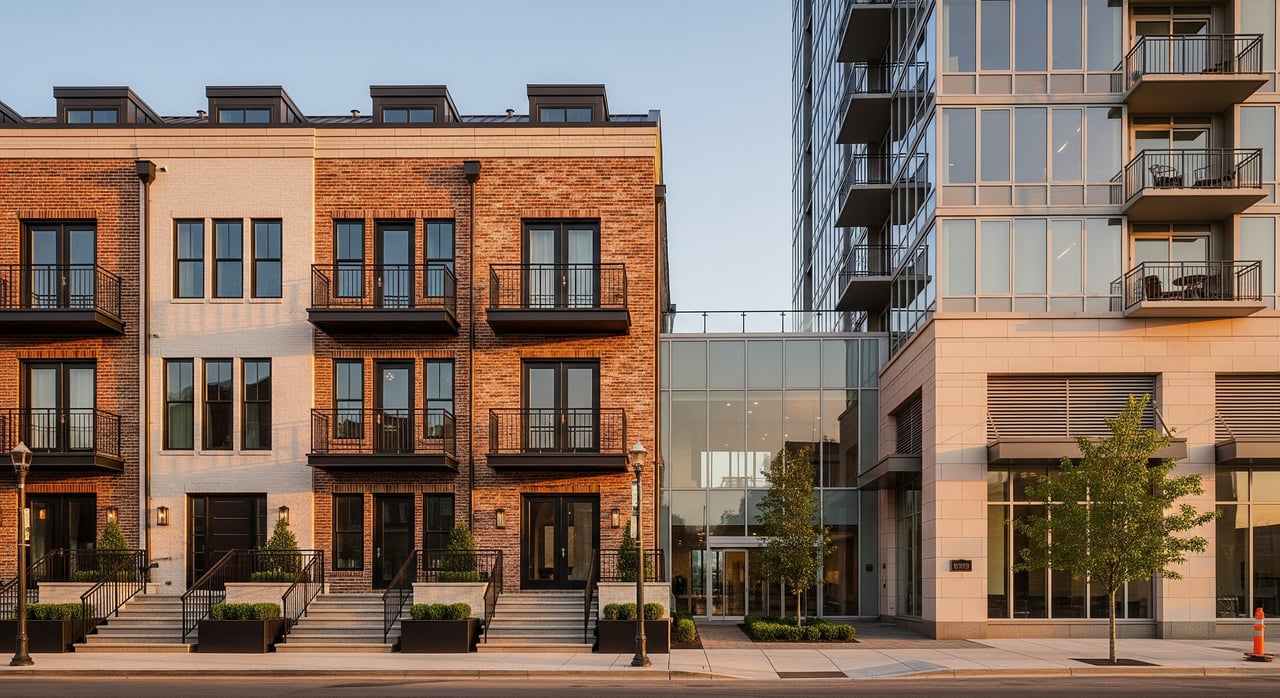
Townhomes in urban infill can be structured two ways. Some are part of a condo regime, which means the association controls much of the exterior and site. Others are fee simple, where you own the land and exterior up to your property lines. Many townhome communities still have an HOA for shared drives, landscaping, or small amenities. The declaration and bylaws define the exact setup, so you want to review those documents closely.
HOA rules and daily life
Both condos and townhomes typically have an association. The rules, budgets, reserves, and meeting minutes tell you how the community operates.
- Condos often include amenities such as a lobby, gym, pool, or concierge. This can mean higher monthly dues, which many buyers accept in exchange for convenience and security.
- Townhome HOAs are often smaller with fewer shared elements, which can mean lower dues. You may, however, be responsible for more of your own maintenance.
Key documents to review include CC&Rs, bylaws, rules, current budget, reserve study, insurance certificates, and meeting minutes. These documents shape day-to-day living, renovation rules, pet policies, leasing rules, and your financial exposure.
Maintenance and insurance
Know what you are responsible for before you commit.
Condos
The association typically handles the exterior, building systems, and grounds. You would be responsible for your interior repairs and an HO-6 policy, which covers the unit interior. The association’s master policy insures the structure and shared areas. It is important to confirm coverage limits and deductibles.
Townhomes
Responsibilities vary with the ownership structure. In a fee simple townhome, owners are commonly responsible for the exterior, roof, and any private yard. If the townhome is part of a condo regime, the association may still handle some exterior items. Insurance needs vary, so you should verify whether the master policy covers the exterior and how that affects your personal policy.
Lifestyle tradeoffs
Both options can fit an urban lifestyle. Your best choice comes down to how you want to live.
- Condos: You often get a lock-and-leave setup, more security features, and shared amenities. It feels similar to apartment living with the benefits of ownership. If you value a staffed building, a gym on-site, or a pool, a condo can be a great fit.
- Townhomes: You may get private entry, more square footage, attached garage parking, and sometimes a small outdoor space. For buyers who want a home-like feel without leaving The Gulch, a townhome can be appealing.
If you are sensitive to noise, ask about construction type and sound transmission during showings. Concrete and steel can differ from wood-frame in perceived sound. Every building is different, so onsite experience matters.
Money matters: dues, reserves, and taxes
Total monthly cost is about more than your mortgage.
- HOA or condo fees: High-amenity condo buildings often have higher monthly dues. Townhomes with smaller associations can have lower dues, but you might be responsible for items like roof replacement. Always compare what those dues include, such as utilities, internet, concierge services, or insurance.
- Reserves and special assessments: Associations with weak reserves may need to levy special assessments for major repairs. Review recent budgets, reserve studies, meeting minutes, and any notices of pending assessments.
- Insurance: In condos, a master policy covers the building and common areas. You carry an HO-6 policy for your interior. Townhome insurance depends on the ownership structure and the master policy, so verify deductibles and coverage details.
- Property taxes: Taxes are assessed by Davidson County. Expect tax assessments to adjust after a purchase or improvement. Reviewing current tax bills and assessments is a standard part of due diligence.
Financing differences to plan for
Your loan options can vary based on building and ownership type.
- Condos must meet certain project eligibility standards for many loan programs. If a building is not approved for a specific loan type, you may need a different financing plan.
- Townhomes that are fee simple are often simpler for lenders. Townhomes built as condominiums can face similar project reviews as condos.
- Lender overlays and underwriting guidance can change. Talk with a local lender early to confirm loan options, down payment requirements, and project-level reviews.
Renting your home: rules matter
The Gulch attracts renters because of its location near downtown and employers. That said, short-term rental rules and HOA restrictions are critical.
- Metro Nashville requires registration and compliance for STRs, with limits that vary by zoning and building type. Some communities prohibit STRs altogether.
- Many associations limit rentals, set minimum lease terms, or cap the number of units that can be leased. Confirm the rental policy in the HOA documents before you purchase if rental income is part of your strategy.
Parking, transit, and construction
Parking is a key differentiator in The Gulch.
- Condos often come with deeded or assigned spaces in a structured garage. Ask about guest parking and how parking is recorded in the deed or plats.
- Townhomes frequently include private garages. This can simplify daily life if you own a vehicle or want more storage.
Also consider commute routes and transit options. Proximity to major connectors can add convenience. Keep an eye on planned development in and around The Gulch, since future projects can affect traffic, views, and sunlight.
Who should consider what
There is no one-size-fits-all answer, but these profiles can help you focus your search.
- Choose a condo if you value amenities, security, and a low-maintenance lifestyle where exterior care is off your plate. This can be ideal if you travel often or plan to use the home as a city base.
- Choose a townhome if you want a more traditional home feel with a private entrance, attached garage, and possibly more space. This can suit buyers who want urban living without giving up a house-like experience.
Smart due diligence checklist
Use this list to protect your interests, whether you are buying a condo or a townhome in The Gulch.
- Confirm the legal structure: condominium, townhome in a condo regime, or fee simple.
- Request and review HOA documents early: declaration, CC&Rs, bylaws, rules, budgets, financials, and reserve study.
- Read HOA meeting minutes for the past 12 to 24 months to spot recurring issues and potential special assessments.
- Review the association’s insurance certificate, including coverage limits and deductibles.
- Verify rental policies, including any short-term rental restrictions or minimum lease terms.
- Confirm parking: deeded spaces, assigned spaces, guest parking rules, and any storage included.
- Ask your lender about project approval for your loan type and any lender-specific requirements.
- Order a home inspection and evaluate noise transmission, HVAC, windows, and mechanical systems.
- Check for nearby development plans or road projects that could affect value or lifestyle.
- Review recent property tax assessments and current bills to understand potential changes after closing.
Selling in The Gulch: tips that win
If you are selling a condo or townhome here, preparation and clarity go a long way.
- Assemble a complete disclosure package: governing documents, budgets, financials, insurance certificate, and any special assessment notices.
- Be upfront about fees and what they include. Clear answers build buyer confidence.
- Spotlight what makes your property stand out: parking, storage, outdoor space, views, or amenity access.
- If you are listing a townhome against nearby condo inventory, stage to emphasize private entry, multiple levels, and any outdoor areas.
Bottom line
Both condos and townhomes can be excellent choices in The Gulch. Your best fit depends on how you balance amenities, privacy, maintenance, rental goals, and financing. If you want a lock-and-leave lifestyle with shared amenities, a condo in a well-run building can shine. If you want more space, a garage, and a home-like feel with an urban address, a townhome could be the better pick.
Ready to compare options or prep a listing? Reach out to Tennessee Realtors DK - Dave & Kristi for neighborhood-level guidance, a clear plan, and concierge coordination from first tour to close.
FAQs
What is the key ownership difference between condos and townhomes in The Gulch?
- Condos usually include interior ownership plus a shared interest in the building and amenities, while townhomes may be fee simple or part of a condo regime, which affects exterior and roof responsibility.
How do HOA fees typically compare for condos vs townhomes in The Gulch?
- Condo fees can be higher due to amenities and centralized maintenance, while townhome dues may be lower but owners might handle more exterior costs.
What documents should I review before buying a condo or townhome in The Gulch?
- Review the declaration, CC&Rs, bylaws, rules, budget, reserve study, financials, insurance certificates, meeting minutes, rental policies, and parking assignments.
How do financing requirements differ for condos versus townhomes in The Gulch?
- Condos may require project approval for certain loans, while fee simple townhomes can be simpler; townhomes in condo form may follow similar project reviews as condos.
Can I do short-term rentals in a Gulch condo or townhome?
- Short-term rentals are regulated locally and often restricted by HOAs. Verify Metro rules and the community’s rental policy before relying on rental income.
What should sellers prepare to speed up a Gulch sale?
- Provide complete HOA documents, disclose any assessments or litigation, and highlight differentiators like parking, storage, and amenities in your listing.