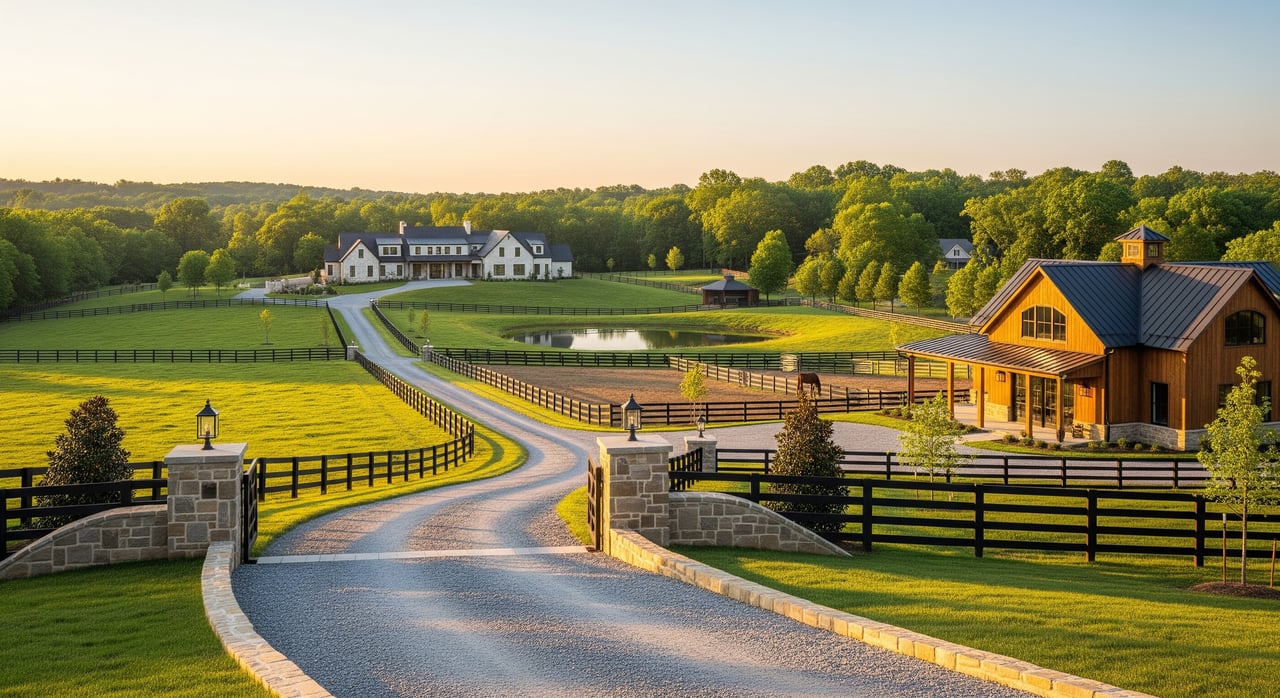
Thinking about building your dream home or small farm in College Grove? Buying land here can be rewarding, but it comes with unique steps you do not see with a typical house purchase. With the right plan, you can confirm a parcel is buildable, budget accurately, and move from offer to permits with confidence. In this guide, you will learn the local rules, key inspections, costs, and timelines to make a smart land purchase in College Grove. Let’s dive in.
Why College Grove land appeals
College Grove sits in unincorporated Williamson County and is part of the greater Nashville area. Many buyers look for acreage to build a single-family home, an estate with equestrian features, or to hold as a long-term investment. Growth across Williamson County has raised demand for developable lots, so build-ready parcels can be competitive.
Expect price-per-acre to vary based on utility access, road frontage, topography, and site constraints like floodplain or wetlands. Recent comparable sales from MLS and county records are essential for valuation. A local agent experienced with land can help you interpret comps and spot value tied to utility availability and soil conditions.
Who regulates land here
Because College Grove is unincorporated, county and state agencies take the lead on permits and approvals. The most common authorities you will deal with include:
- Williamson County Planning, Zoning & Codes for zoning, setbacks, subdivision rules, and building permits.
- Williamson County Environmental Health for septic (on-site sewage) evaluation and permits.
- Tennessee Department of Environment & Conservation for wells and some environmental rules.
- FEMA for floodplain mapping and development standards in flood zones.
- U.S. Army Corps of Engineers and state wetlands resources for any jurisdictional wetlands or stream impacts.
- County Highway/Engineering for driveway access permits and sight-distance requirements.
- Utility providers for water, sewer (if available), electric, and broadband service.
Zoning and permitted uses
Start by confirming the parcel’s zoning and permitted uses with Williamson County. Zoning sets minimum lot sizes, setbacks, accessory structures, and whether you can subdivide later. If you plan to keep animals, run a home business, or add barns, confirm those uses are allowed.
Also check if there are any planning overlays, scenic corridor rules, or conservation areas that affect what and where you can build. If the parcel is in or will be part of a subdivision, review county subdivision standards and any HOA documents.
Septic, wells, and utilities
Many rural parcels around College Grove do not have public sewer. Plan for a septic system and possibly a private well unless utilities are confirmed. A percolation test and soils evaluation are usually required to size and approve the septic system.
For wells, licensed drilling and registration are required, and water yield and quality can vary by site. Build a budget that covers well drilling and water-quality testing. Always confirm electric, water, sewer, gas, and broadband availability and hookup costs with providers before you commit.
Floodplains, wetlands, and streams
Floodplains and water features can limit where you place a home or driveway. Review your parcel on the FEMA Flood Map Service Center to see if any part lies within a regulated zone. You can search maps directly using the FEMA Flood Map Service Center.
Streams and wetlands may trigger state or federal permits, which can add cost and time. Local stream buffer rules can also limit clearing or grading near water. If a site is low-lying or has visible wet areas, consider a wetlands screening.
Topography, soils, and geology
Hills, slopes, and soil type affect septic feasibility, drainage, and foundation design. Use soil surveys and consider a geotechnical report if you see steep slopes or suspect karst features like sinkholes. A topographic survey helps you locate the best building envelope and driveway path.
Access, easements, and restrictions
Confirm you have legal access through public road frontage or a recorded easement. Do not rely on verbal permission. Review all recorded easements for utilities and any deed restrictions that limit clearing, fencing, or building locations.
If access is via a private road, verify who maintains it and whether a road maintenance agreement or HOA governs it. For new driveways on county roads, you may need a driveway permit and proof of safe sight distance.
Due diligence steps and timeline
Plan for several weeks to complete land due diligence. The exact time depends on scheduling and weather. Here is a practical sequence most buyers follow:
- Early checks before an offer
- Verify zoning and permitted uses.
- Walk the property for access, slopes, and drainage clues.
- Ask about utilities and any past septic or well records.
- Write an offer with smart contingencies
- Include survey, perc/septic feasibility, financing, environmental, and clear-title contingencies.
- Set a realistic timeline so you can schedule testing and permits.
- Order core evaluations
- Title search and title insurance.
- Boundary survey and topographic survey.
- Perc test and soils evaluation for septic sizing.
- Floodplain check and wetlands screening if near streams or low areas.
- Utility availability confirmations and rough hookup estimates.
- Deeper site studies as needed
- Geotechnical report for steep slopes or suspected karst.
- Well testing or drilling plan if no public water.
- Finalize costs and next steps
- Confirm septic and well locations, driveway layout, and house site.
- Align your construction timeline with permit lead times.
Allow 4 to 12 or more weeks for site evaluations and initial permits, with longer timelines if wetlands or subdivision approvals are involved.
Financing your land purchase
Financing land differs from a standard mortgage. Lenders view raw, undeveloped land as higher risk.
- Raw land loans often require larger down payments, sometimes 25 to 50 percent, with shorter terms and higher rates.
- Lot loans for parcels with utilities can be easier than raw land but still stricter than a mortgage.
- Construction loans typically convert to a permanent mortgage after you build and require a budget, builder qualifications, and a schedule.
Local banks and credit unions may offer portfolio land loans. Some buyers use USDA single-family programs for primary residences in qualifying rural areas, subject to location and income limits. Cash offers can strengthen your position when competition is high.
Costs beyond the purchase price
Budget for more than just the land. Line items commonly include:
- Survey, title, and closing costs.
- Perc test, septic design, and installation.
- Well drilling and water-quality testing.
- Grading, driveway, culverts, and erosion control.
- Utility connections, poles, transformers, and tap fees if applicable.
- Building, septic, driveway, and stormwater permits.
- Tree clearing and debris removal.
- Geotechnical investigations or sinkhole remediation if needed.
- Property taxes and any special assessments.
Offer strategy and contingencies
Your offer should match the parcel type and how much is unknown. For raw land, keep contingencies that protect you while you investigate buildability. Common protections include satisfactory survey, septic feasibility, financing approval, environmental review, and clear title.
Set realistic earnest money and give yourself enough time to schedule tests, especially during wet seasons when perc testing can be delayed. Confirm how quickly county departments can review applications before you set deadlines.
Practical field checks when you visit
A site walk can reveal helpful details:
- Road access and maintenance quality, including gates and seasonal issues.
- Natural drainage paths, low spots, and evidence of standing water.
- Vegetation density and tree-clearing needs.
- Neighboring land uses such as farming or future development that could affect your enjoyment or resale.
Quick buyer checklist
- Verify zoning and permitted uses with Williamson County Planning & Zoning.
- Order a title search and secure title insurance.
- Get a current boundary and topographic survey.
- Schedule a perc test and soils evaluation.
- Confirm water source, electric, and broadband serviceability.
- Check FEMA flood maps and seek an official flood determination if needed.
- Review recorded easements, covenants, and any conservation restrictions.
- Obtain cost estimates for septic, well, driveway, grading, and utilities.
- Consult lenders early on down payment and loan options.
- Include survey, perc, financing, and environmental contingencies in your offer.
- Align your permit and build timeline with local contractors.
How a local team helps
Buying land is a sequence of decisions that benefit from local knowledge and strong vendor relationships. A team experienced in Williamson County land can coordinate surveyors, soils pros, well drillers, and lenders so your due diligence stays on track. You get clarity on buildability, total project budget, and realistic timelines before you commit.
Ready to explore land in College Grove with a clear plan? Reach out to Tennessee Realtors DK - Dave & Kristi for local guidance and white-glove coordination from first tour to closing.
FAQs
Can I build right after closing in College Grove?
- Usually not. You must confirm zoning, secure septic and well permits or utility hookups, meet access and setback rules, and obtain building permits before construction.
How do I know if a College Grove lot is buildable?
- Order a boundary survey, perc and soils test, and a topographic survey. Confirm utility availability, check floodplain and wetlands, and verify zoning and permits with the county.
What if there is no public water or sewer on the parcel?
- Plan for a private well and on-site septic system. Budget for perc testing, well drilling, and system design early in your due diligence.
What if part of the land is in a floodplain?
- Building in FEMA zones may require elevating structures, using specific foundations, and carrying flood insurance. Sometimes you can build outside the mapped flood area on the same parcel.
How long do permits take in Williamson County?
- Timelines vary by project. Septic and well permits can be relatively quick, while subdivision approvals, wetlands permits, or large grading permits can take months.
Can I subdivide my College Grove acreage later?
- It depends on zoning, minimum lot sizes, frontage, and subdivision standards. Always confirm feasibility with county planning before assuming subdivision is possible.
If you want a step-by-step plan tailored to your goals, connect with Tennessee Realtors DK - Dave & Kristi. We will coordinate the right pros and keep your due diligence moving so you can buy land with confidence.